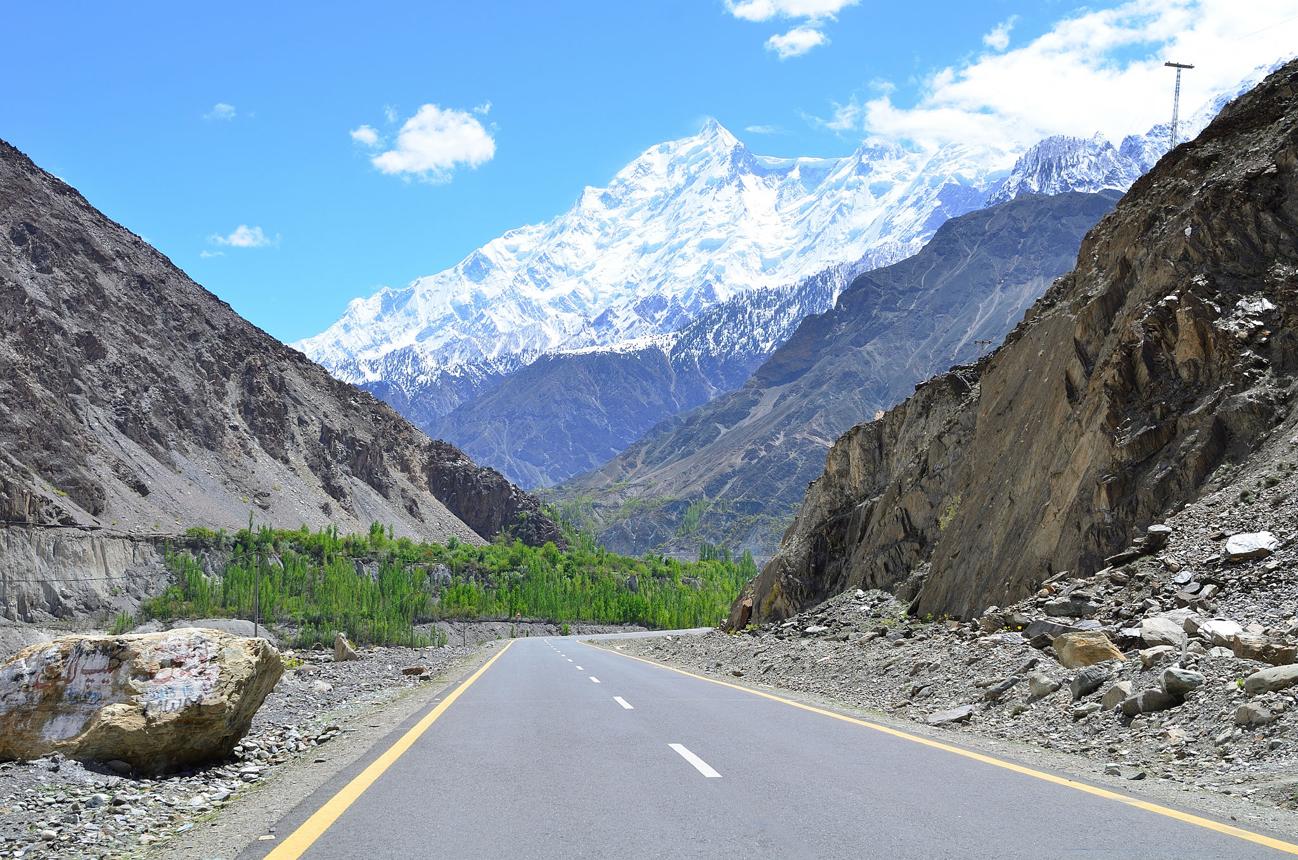
Hunza changes dramatically through the year. In spring the valley fills with blossom, in summer the roads and viewpoints are at their easiest, in autumn the hillsides turn gold, and in winter the Karakoram peaks are covered in snow. The best time to visit depends on what you want to see and how much cold, crowd and uncertainty you are comfortable with.
This guide compares the four seasons, goes through each month, and explains how weather affects roads, flights and sightseeing so you can pick the right dates.
Best Time to Visit Hunza at a Glance
| Season | Months | Best for | Keep in mind |
|---|---|---|---|
| Spring | Late March to May | Cherry and apricot blossom, fresh greenery, fewer crowds | Nights are still cold and the weather can be unpredictable |
| Summer | June to August | Easy road access, long days, families and first-time visitors | Busiest season, so hotels and vehicles cost more and fill up early |
| Autumn | September to November | Golden foliage, clear skies, calm sightseeing | Evenings turn cold and daylight gets shorter |
| Winter | December to February | Snow scenery and quiet villages | Very cold, with possible road closures and flight delays |
If you want a single answer, plan for mid-April for blossom, June to August for the easiest travel, or late September to October for autumn colour. Many travellers rate autumn as the best balance of comfortable weather, scenery and smaller crowds.
Hunza in Spring (Late March to May)
Spring arrives as the snow melts and the valley wakes up. The blossom season is the main attraction, and it is commonly described as running from late March to mid-April, with the first two weeks of April often the peak. The exact timing shifts from year to year with the weather, so check with your hotel or a local guide before you lock in dates.
By May the landscape is green, the rivers are running full and the weather is mild, while the summer crowds have not yet arrived. It is a good time for photographers, couples and anyone who prefers a quieter trip.
💡 Local Tip
Blossom timing changes every year. If seeing the blossom is the main reason for your trip, keep your dates flexible and confirm with your hotel a few days before you travel.
Hunza in Summer (June to August)
Summer is the most popular season, and for good reason. Days are long, skies are usually clear, and roads and viewpoints are at their most accessible. Daytime temperatures in Karimabad can reach around 30 °C at their warmest, while nights stay noticeably cooler.
This is the best season for families, first-time visitors and anyone who wants to cover several places in a short time, such as Baltit Fort, Attabad Lake and Passu. The trade-off is crowds. Hotel, vehicle and guide prices rise, and the better places fill up quickly, so book early.
Hunza in Autumn (September to November)
Autumn is the favourite of many regular visitors. Mornings are crisp, afternoons are sunny, and the trees across the valley turn gold, orange and red. September and October are the most commonly recommended months, and spots like Passu and the viewpoints above Karimabad are especially popular for photography.
Crowds are thinner than in summer and prices can be lower. By November it is clearly getting colder, the trees are bare and the first snow can arrive at higher elevations, so pack warm layers.
Hunza in Winter (December to February)
Winter is quiet and cold. Snow covers the valley, the peaks look their sharpest and the villages are calm, which makes it a good choice for snow lovers and photographers who do not mind the cold. It is not the easiest season for first-time visitors.
Heavy snowfall can close some roads, and flights to Gilgit can be delayed or cancelled by weather. Some hotels stay open through winter, but services are more limited, so confirm availability, heating and road conditions before you book.
⚠️ Before You Go
Winter travel on the Karakoram Highway needs flexibility. Allow extra days in your plan, check road conditions before you leave, and carry warm clothing and enough fuel and supplies.
Month-by-Month Guide to Visiting Hunza
| Month | What to expect |
|---|---|
| January | Deep winter, snow and very cold weather, with limited services |
| February | Still winter, with snow lingering in the valley |
| March | Snow starts melting, and early blossom can appear towards the end of the month |
| April | Blossom season, especially in the first half of the month, with cool weather |
| May | Green landscapes and mild weather as the tourist season picks up |
| June | Summer begins with warm days and long daylight |
| July | Peak summer, with the most visitors and the highest prices |
| August | Still peak season, with busy roads and hotels |
| September | Autumn begins, with clear skies and comfortable weather |
| October | Autumn colour, cool nights and calmer crowds |
| November | Late autumn, getting cold, with bare trees and a chance of early snow |
| December | Winter sets in, with snow and cold nights |
Best Time to Visit Hunza by Type of Trip
| If you want | Best time |
|---|---|
| Blossom photography | Late March to mid-April |
| Autumn colours | Late September to October |
| Easiest road access and long days | June to August |
| Fewer crowds and calmer prices | Spring (April to May) and autumn (September to October) |
| Snow scenery | December to February |
When Is Khunjerab Pass Open?
Khunjerab Pass, the high border crossing on the Karakoram Highway north of Hunza, has traditionally been open from April to November under a 1985 agreement between Pakistan and China. In 2025 the two countries announced year-round operation, but heavy snow and policy changes can still affect access, especially in winter. If Khunjerab is on your list, check current conditions before you plan, and note that crossing into China needs the correct visa and paperwork.
What to Pack for Each Season
- Spring and autumn: warm layers, a windproof jacket, comfortable walking shoes and a hat for cold mornings.
- Summer: light clothing for the day, a warm layer for the evening, sun protection and plenty of water.
- Winter: thermal layers, a heavy jacket, insulated boots, gloves and a hat.
- All seasons: a power bank, offline maps, cash (ATMs can be limited) and personal medication.
How the Season Affects Your Journey
Weather matters as much on the road as it does in the valley. Rain, snow, landslides and roadworks can slow or block sections of the Karakoram Highway in any season. Start early, keep some flexibility in your plan, and check current road conditions before departure.
- Read our guide on how to reach Hunza from Islamabad to compare flying, driving and taking the bus.
- See the Islamabad to Hunza distance guide for the route and travel time.
- Already in Gilgit? Our Gilgit to Hunza guide covers the final stretch.
- Visiting from abroad? Read our Gilgit-Baltistan permits guide.
Plan Your Hunza Trip
- Prefer a ready-made trip? See the Hunza Valley Cultural Tour (4 days) or the Khunjerab Pass & Attabad Lake Day Tour.
- Want to see the Passu area? Try the Passu Cones & Glaciers Day Tour.
- Need help choosing dates? Use the AI trip planner, or message our travel team on WhatsApp.
Frequently Asked Questions
What is the best month to visit Hunza?
April is popular for blossom and late September to October for autumn colour. If you want the easiest travel conditions, June to August is the safest choice.
When is the cherry blossom season in Hunza?
Blossom is commonly reported from late March to mid-April, with the first half of April often the peak. The exact timing changes each year with the weather.
Is Hunza worth visiting in winter?
Yes, if you enjoy snow and quiet, and you are comfortable with the cold and with possible delays. It is not the easiest season for first-time visitors.
Is Hunza open in winter?
Many hotels stay open, but services are more limited. Heavy snow can close some roads and delay flights to Gilgit, so check conditions and availability before travelling.
When is the best time to visit Hunza for autumn colours?
September to October is the most commonly recommended window, with colours often at their strongest in October.
When is the cheapest time to visit Hunza?
Spring and autumn usually offer better availability and sometimes lower prices than summer, while winter options can be cheaper but more limited.
Final Thoughts
There is no single best month for everyone. Choose April for blossom, summer for the easiest travel, autumn for colour and calm, or winter for snow and quiet. Whatever you choose, plan for changing weather, book popular dates early and check road conditions before you go. If you would like help choosing dates or building an itinerary, our team is happy to assist.