Gilgit-Baltistan Permits: The 2-Minute Guide Before You Book
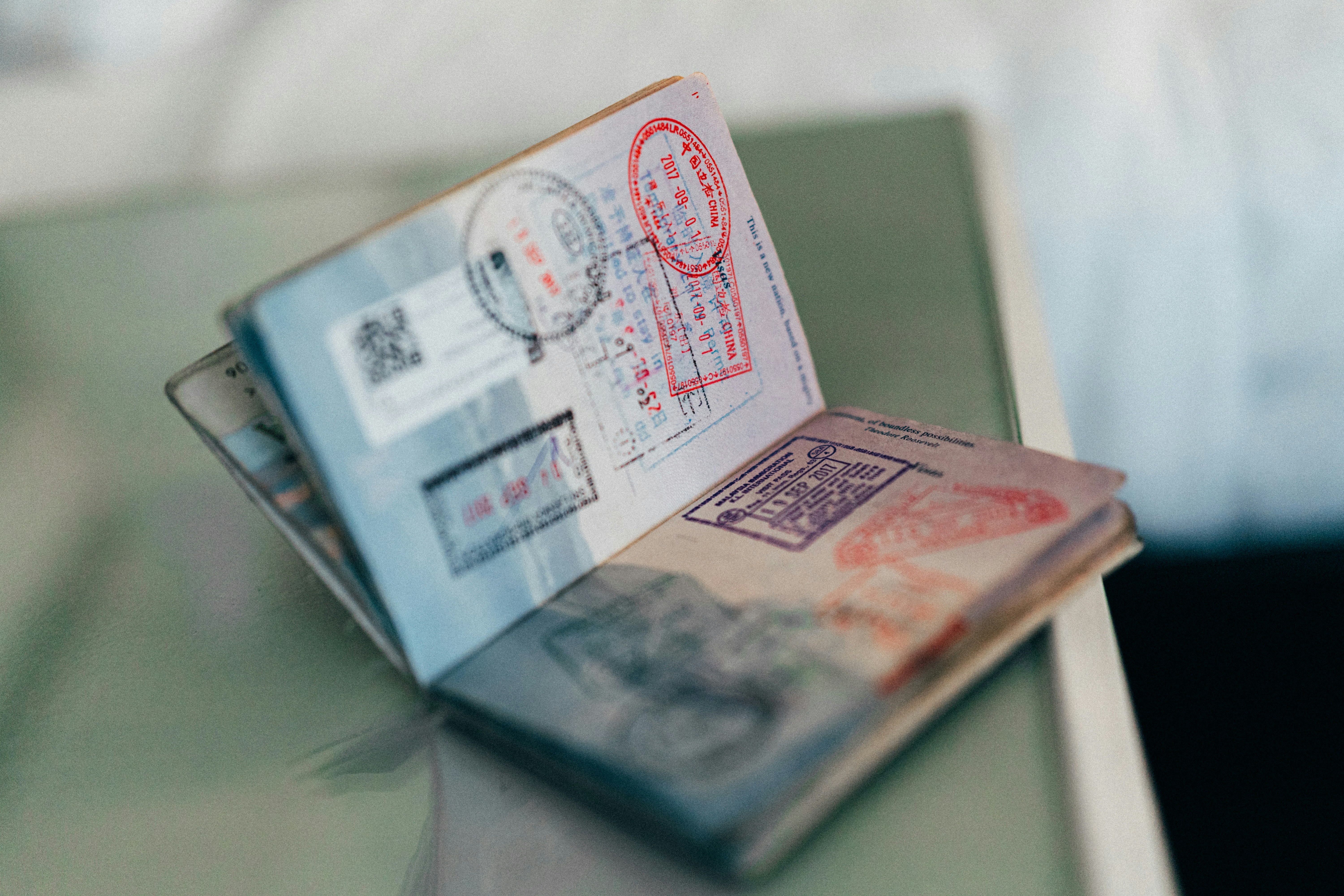
Every few weeks someone messages us in a slight panic: "Do I need a permit to visit Hunza? Is it a whole bureaucratic process? Do I need to arrange it before I fly in?" So let's actually clear this up properly, because most of what's floating around online is either outdated or written for a completely different part of Pakistan.
The Short Version
For the vast majority of travelers heading to the popular parts of Gilgit-Baltistan — Hunza, Skardu, Naltar, Gilgit city, Fairy Meadows — there is no special advance permit you need to apply for before you arrive. You'll enter Pakistan on your regular visa, and once you're in GB, the local registration process (explained below) happens on the ground, quickly, and without much fuss.
Where it gets more involved is if you're heading toward specific restricted or border-adjacent zones — certain valleys near the Chinese and Afghan borders, some high-altitude trekking areas near international boundaries, and a handful of specific military-adjacent zones. That's where an actual No Objection Certificate (NOC) can come into play, and it's genuinely worth checking before you build an itinerary around one of those areas.
What Actually Happens When You Arrive
This is the part that surprises people the most: it's simpler than they expect.
As a foreign traveler in Gilgit-Baltistan, you'll typically go through a local police or tourism registration when you arrive — sometimes at a checkpoint on the way in, sometimes at your hotel, sometimes both. You'll be asked for your passport and visa details, and it usually takes a few minutes. This isn't a special "GB permit" so much as it is standard foreigner registration that happens in a lot of regions worldwide — it exists mainly so authorities know where foreign tourists are, which, in a mountainous region with limited connectivity, is honestly a reasonable thing for them to want to track.
A few practical notes:
- Keep physical or digital copies of your passport bio page and visa handy — you'll be asked to show them more than once as you move between towns.
- If you're traveling with a licensed local guide or through an operator, they usually handle the registration logistics for you, which is one less thing to think about.
- Processing at checkpoints can occasionally take longer during peak tourist season (June to August) simply due to volume, not paperwork complexity — build a little slack into your day if you're driving between towns.
Areas That Genuinely Need an NOC
This is the part worth actually paying attention to, because it can affect your itinerary if you're planning something more remote or high-altitude.
Certain zones — generally areas close to the Line of Control, the border with Afghanistan's Wakhan Corridor, and some high mountain regions near the Chinese border beyond the standard tourist track — require a formal No Objection Certificate arranged in advance, sometimes through the Ministry of Interior or local GB authorities, and sometimes with additional lead time if a foreign trekking group is involved.
If your trip includes any of the following, it's worth checking specifically rather than assuming standard registration covers it:
- Remote high-passes trekking near international borders (certain Shimshal and upper Chapursan routes fall into this category depending on the exact trail)
- Any expedition-style mountaineering permit for peaks above a certain altitude, which is a separate process altogether, usually arranged through the Alpine Club of Pakistan
- Travel into specific valleys that sit directly along sensitive border zones
For context: none of our current treks and tours require this — Hunza, Skardu, Naltar, Deosai, Fairy Meadows, and the classic K2 Base Camp / Concordia route through the Baltoro Glacier are all part of the standard, well-established tourist route and don't need an advance NOC. If you're planning something more remote and want to know in advance whether it needs one, that's exactly the kind of question we're happy to answer over WhatsApp before you commit to a route.
What About Domestic (Pakistani) Travelers?
If you're a Pakistani citizen, none of this applies to you in the same way — there's no foreigner registration process to go through, and access to GB is as straightforward as any other domestic trip within the country.
The Bottom Line
For almost every trip up to Hunza, Skardu, or the other classic GB destinations, the honest answer is: don't overthink the permit question. Bring your passport, expect a quick registration step somewhere along the way, and save the deeper NOC research for genuinely remote, border-adjacent routes. If you're not sure which category your planned trip falls into, it's a five-minute question to ask before you book — not a reason to stress about the whole trip.
Ready to plan your own trip?
Let our AI planner build a custom Gilgit-Baltistan itinerary, or browse ready-made treks and tours.