How to Reach Hunza from Islamabad: Flight, Bus & Road Options Compared
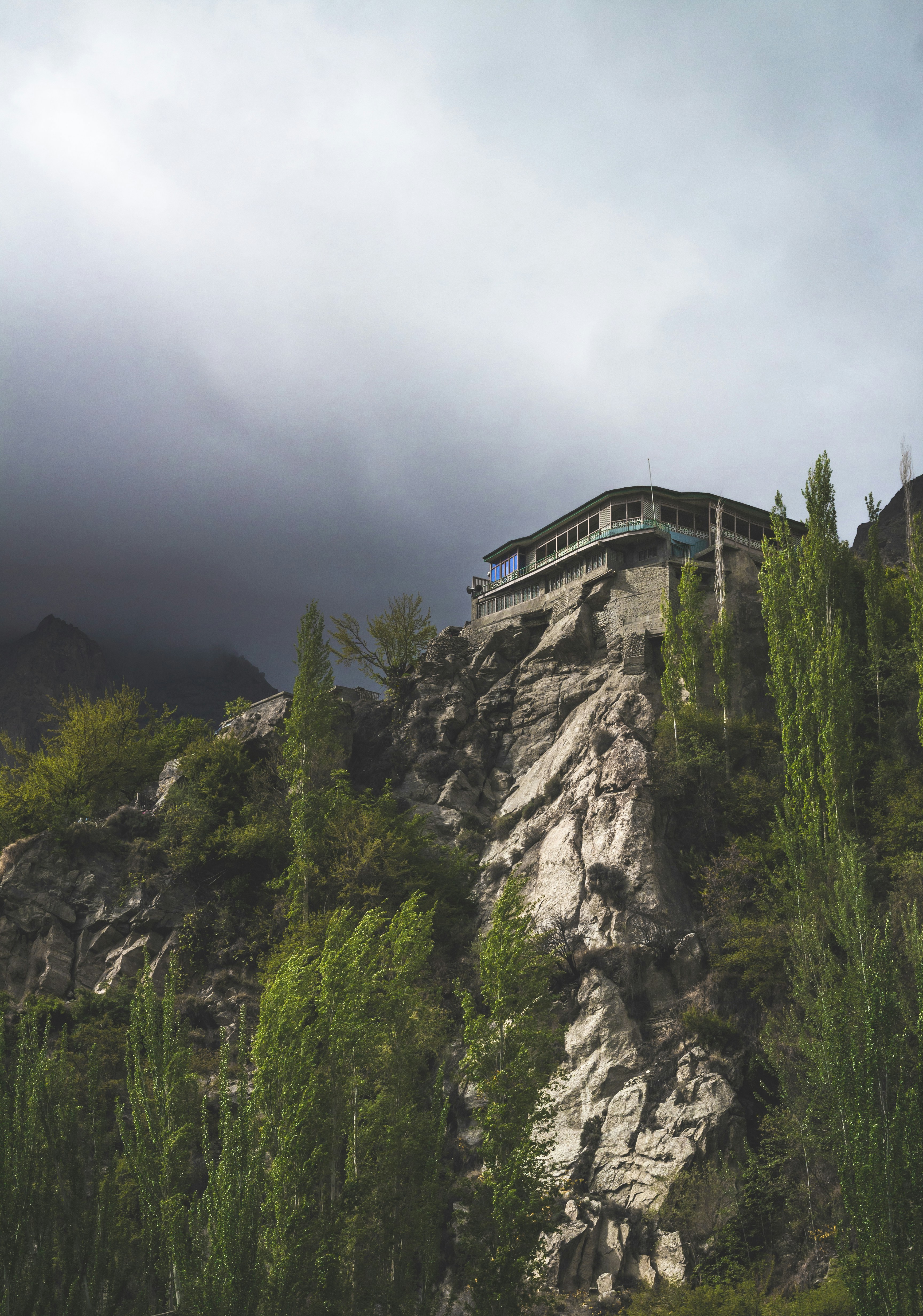
If you're reading this, you've probably already fallen down a rabbit hole of photos — turquoise lakes, snow-capped peaks, apricot blossoms in spring — and now you're just trying to figure out the boring but important part: how do you actually get there?
We get asked this almost every week, so here's the honest breakdown of every real way to reach Hunza from Islamabad, with the trade-offs nobody puts in the brochure.
The Three Real Options
There are really only three ways to do this trip: fly, drive yourself (or hire a car), or take a bus. Each one trades time for money in a different way, so the "best" option genuinely depends on how much of your trip you want to spend traveling versus exploring.
Option 1: Fly to Gilgit, Then Drive
This is the fastest way in, and if your time is limited, it's usually worth it.
You fly from Islamabad to Gilgit — the flight itself is short, well under an hour in the air — and from Gilgit airport it's roughly a 1.5 to 2.5 hour drive up the Karakoram Highway into Hunza, depending on exactly where you're staying (Karimabad, Aliabad, or further up toward Gojal).
The catch: this route is genuinely weather-dependent. Gilgit's airport sits in a mountain valley, and flights get delayed or cancelled on short notice when cloud cover rolls in. This isn't rare — it's a normal part of flying into GB. If you go this route, build at least one buffer day into your plan, and don't book anything time-sensitive (like an international connecting flight) right after your return flight from Gilgit.
Option 2: Drive the Karakoram Highway Yourself (or Hire a Driver)
This is the scenic option, and if you have the time, it's the one we'd actually recommend for a first visit.
The full drive from Islamabad to Hunza along the Karakoram Highway typically takes somewhere in the range of 14 to 20 hours of actual driving time, which almost nobody does in one push. Most people break it into two or three days, stopping overnight in Chilas or Gilgit along the way.
There's also a second, more scenic seasonal route through Naran and over Babusar Top, which only opens roughly from May through October depending on snow conditions. It adds time but the scenery is worth it if you're not in a rush — you get Naran, Lake Saif-ul-Malook, and the Babusar Pass all in the same trip.
A few honest things to know before you commit to driving:
- The KKH is a real mountain highway — narrow in places, with sections prone to landslides, especially during and after monsoon season. Road conditions can change with very little warning.
- If you're not experienced with mountain driving, hiring a local driver is genuinely worth the cost. It's not about ability — it's about knowing which sections need extra caution and having someone who can handle a breakdown or road closure without it turning into a crisis.
- Fuel stops get sparser the further north you go. Fill up more often than feels necessary.
Option 3: Take the Bus
This is the budget option, and it works, but go in with realistic expectations.
Operators like NATCO and a handful of private companies run long-distance buses from Islamabad up to Gilgit and Hunza. It's a long haul — typically 16 to 22 hours — usually overnight, so you lose a day of sightseeing but you also don't lose a hotel night.
It's genuinely the cheapest way to do this trip, and for budget travelers or students, it's a completely reasonable choice. Just know you're trading comfort and flexibility for the lower price — you can't stop for photos whenever you want, and overnight buses on mountain roads aren't for everyone.
So Which One Should You Actually Pick?
Here's how we'd think about it:
- Short on time, budget isn't the main constraint → fly to Gilgit, drive the rest. Just build in a buffer day in case of weather delays.
- Have 4+ days to spare and want the full experience → drive the KKH, ideally with a local driver, breaking the trip into 2–3 days each way.
- Traveling on a tight budget → the overnight bus is a completely valid choice. Just prepare for a long, no-frills ride.
One Thing Almost Nobody Tells You
Whichever way you travel in, road and weather conditions in Gilgit-Baltistan genuinely do change through the season — a landslide, a temporary closure, a flight that keeps getting pushed back. It's not something to be anxious about, but it is something to plan around with flexibility rather than a rigid, back-to-back itinerary.
This is actually part of why we started keeping a running blog of GB travel conditions here on Travo — road status, seasonal notes, what's actually open right now — rather than leaving people to figure it out from outdated forum posts. If you're planning a trip and want a route built around your dates, our AI planner will factor in the season and build a realistic itinerary instead of an ideal one.
Whichever way you choose, the moment the valley opens up in front of you — Rakaposhi on one side, the Hunza river cutting through it all — you'll understand why every option on this list is worth it.
Ready to plan your own trip?
Let our AI planner build a custom Gilgit-Baltistan itinerary, or browse ready-made treks and tours.